
Zoned Cooling Systems in Arizona: Do They Actually Work in Phoenix Heat?

Zoned Cooling Systems in Arizona: Do They Actually Work in Phoenix Heat?
TL;DR: Zoned cooling systems Arizona allow you to control temperature room-by-room using motorized dampers in your ductwork and a central thermostat for each zone. They work well in Phoenix heat, especially for multi-story homes, large single-story homes with sun exposure variation, or any home where certain rooms are always uncomfortable. A full zoned cooling installation in Phoenix typically runs $2,500 to $8,000 depending on ductwork condition and number of zones. For many homeowners, a simpler alternative like a ductless mini-split is more cost-effective. AC Rebel offers equipment at direct pricing so you can buy the components and have a licensed installer handle the retrofit.
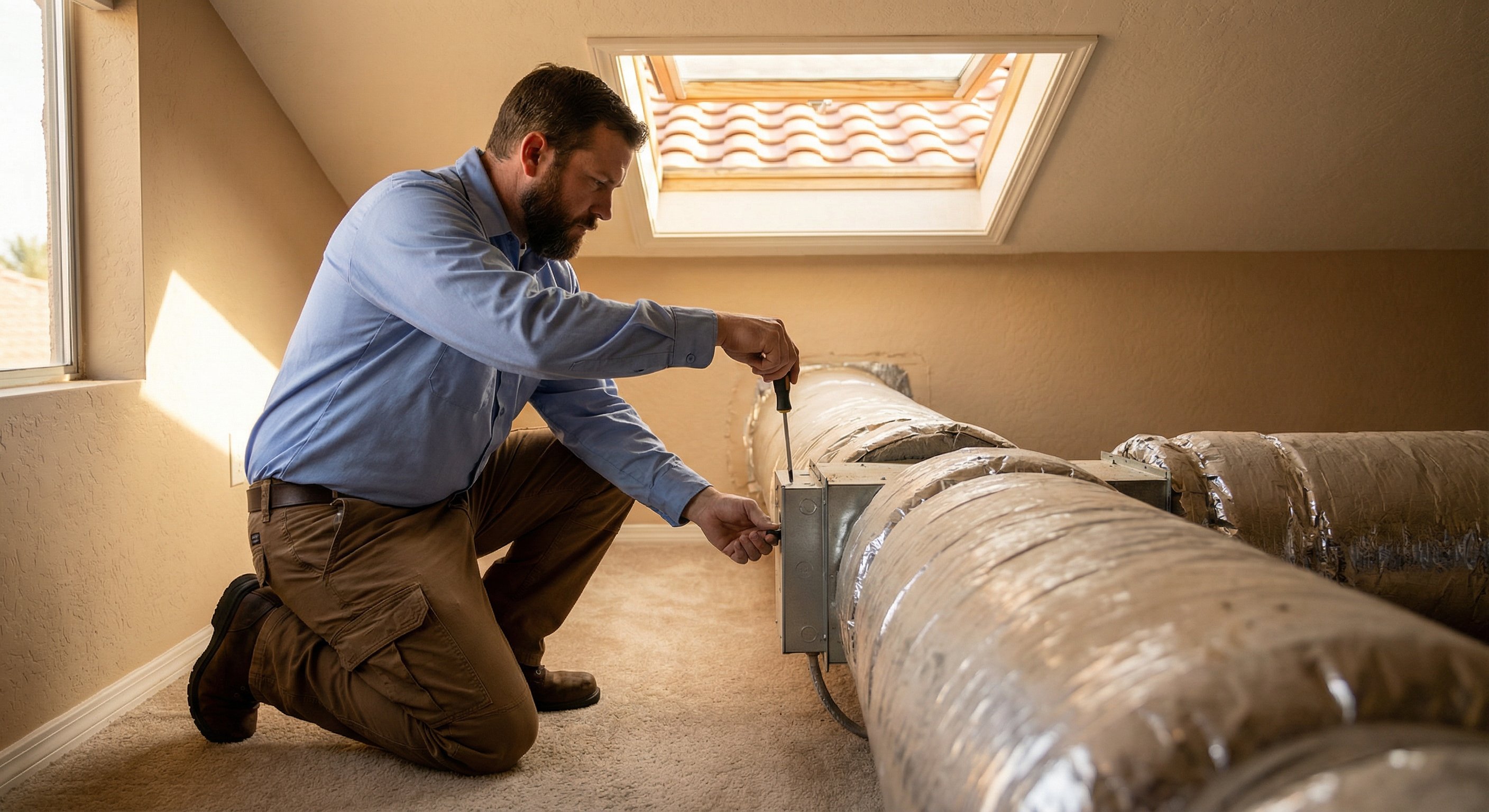
It is 3 p.m. in July. Outside, it is 113°F in Gilbert. Your thermostat reads 76°F. The living room is perfect. The master bedroom reads 84°F and has been that way since noon. You are not imagining this. You are living it, and it is exactly why zoned cooling systems Arizona have become one of the most asked-about HVAC upgrades in the Phoenix metro.
The problem is not your unit. The problem is that your system treats every room the same, even though your home does not generate heat uniformly. Until you fix that mismatch, you will always be choosing between freezing the rooms that are already cool and tolerating the rooms that are not.
What Is a Zoned Cooling System?
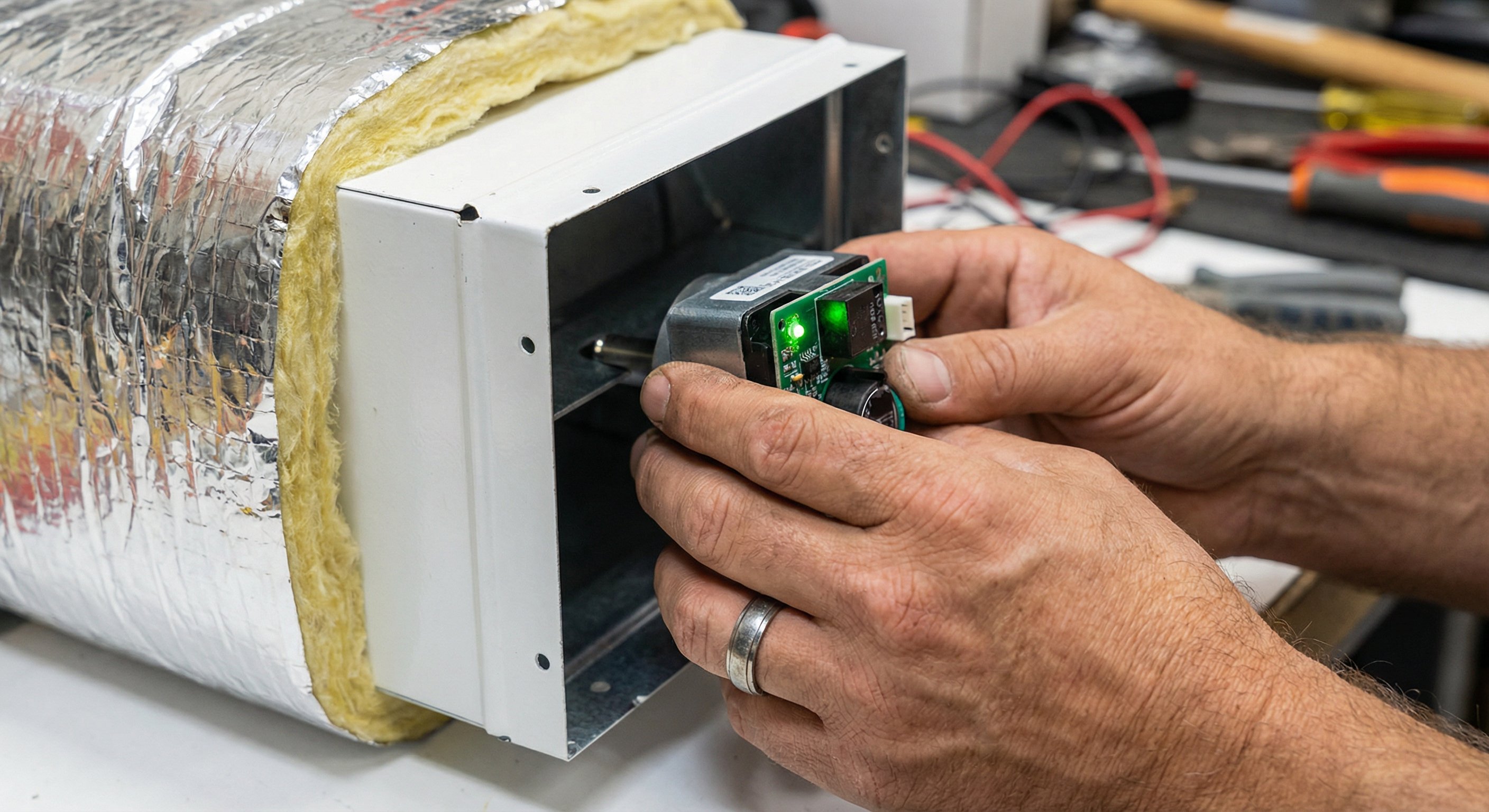
A zoned cooling system is an approach to HVAC that divides your home into separate temperature zones, each with its own thermostat or temperature sensor. When a zone calls for cooling, motorized dampers in the ductwork open to route conditioned air there. When the zone is satisfied, those dampers close and the air is redirected.
The most common setup uses a central air conditioner with a zoned ductwork manifold and a main thermostat that governs the cooling calls. Each zone has its own secondary thermostat that tells the damper system when to open or close. The outdoor condenser and air handler still operate as a single system, but the distribution of air is controlled intelligently.
There are two main ways to achieve zoning:
Duct-based zoning installs motorized dampers inside existing ductwork. This is the most common retrofit approach. Your contractor identifies branch ducts leading to different areas of the home and installs dampers at each branch. The damper system reads signals from zone thermostats and opens or closes each branch independently.
Ductless mini-split zoning installs separate indoor units in different rooms or zones, each connected to an outdoor condenser. Each indoor unit has its own thermostat and operates independently. No ductwork modification is required, which is why many Phoenix homeowners with older duct systems choose this route.
Both approaches are valid. The right one for your home depends on your existing ductwork, your budget, and how you use your home.
Why Hot and Cold Rooms Are a Worse Problem in Arizona Than Elsewhere
Every climate has temperature imbalance. Phoenix makes it worse.
The reasons are specific to how our homes are built and how our summers behave:
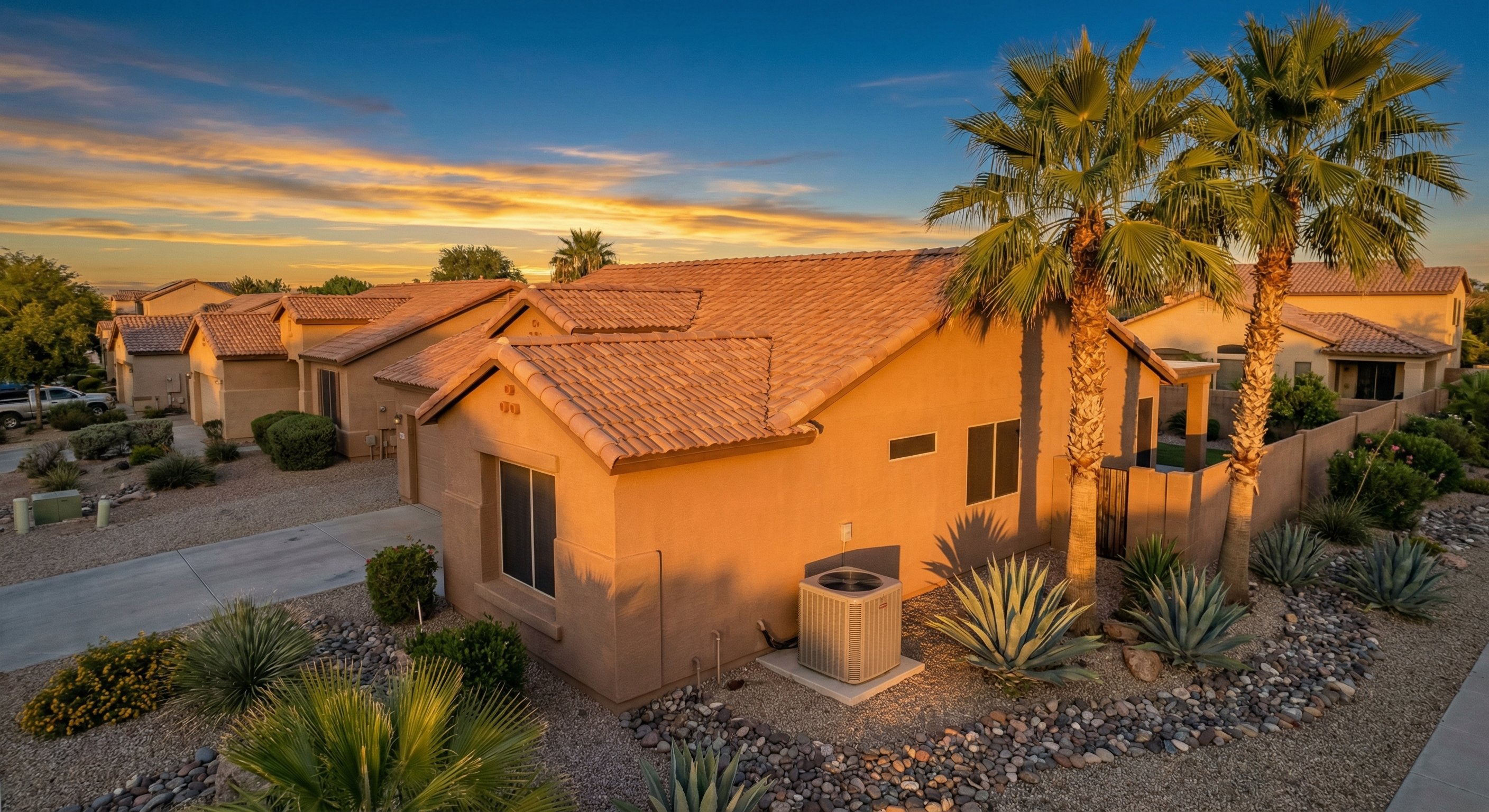
Orientation and solar gain. Many Phoenix metro homes are oriented with the longest wall facing south or west. Bedrooms and offices on the west side absorb direct afternoon sun from 2 p.m. until sunset, which in July does not come until after 7:30 p.m. That direct exposure can add 8°F to 15°F to a room is temperature compared to north-facing spaces. No amount of air conditioning volume fixes a room that the sun is actively reheating.
Monsoon humidity load. July and August bring monsoon moisture from the Gulf of California. Indoor humidity rises even with the AC running. Rooms with less airflow feel muggier faster, which makes them feel hotter even at the same temperature reading. Zoning helps because you can run more airflow to humid zones without overcooling dry zones.
Desert temperature swing. Phoenix daytime highs in June can be 105°F while overnight lows in October drop to 55°F. Your AC works hardest in the shoulder seasons when you want 74°F inside but the evening temperature swings 30°F in three hours. A zoned system adjusts distribution automatically as interior temperatures shift, rather than leaving some rooms cold while others catch up.
Older duct systems. Homes built before 2000 in the Phoenix area frequently have undersized or poorly designed ductwork. The main supply trunk is often undersized for the footage it serves, meaning the last runs in a long duct run get significantly less airflow. Zoning does not fix undersized ducts, but it can route what you have more intelligently.
What a Zoned Cooling System Costs in Phoenix
Here is the honest number range based on what we see in Phoenix quotes:
| Scenario | Cost Range |
|---|---|
| Adding 2 dampers to existing ducts + zone controls | $1,800 to $3,500 |
| Full 3 to 4 zone retrofit with new dampers and thermostats | $3,500 to $6,500 |
| Complete zoned system with new ductwork branches | $6,500 to $12,000+ |
| Ductless mini-split for 2 to 3 zones (no ductwork needed) | $3,000 to $7,500 installed |
These are installed costs including equipment, labor, and permit. The range is wide because the existing ductwork condition is the biggest variable. If your ducts are accessible and in reasonable shape, the dampers themselves are not expensive. The labor is in the installation and calibration.
The single most common reason a zoning quote comes in at the high end: the existing ducts need modification to even support zoning. If your trunk line is too small to handle the pressure split that zoning creates, you need a duct replacement, not just dampers. That changes the math significantly.
Also factor in the thermostat cost. Each zone needs a compatible thermostat or sensor. Smart thermostats with zoning support typically run $150 to $300 each. Basic dumb zone thermostats run $50 to $80. The smart route is worth it because you can set schedules and control everything from your phone, which matters a lot for a second home or a rental property.
Skip the dealer markup
See What a New AC Actually Costs
AC Rebel shows you the real equipment price — no sales pitch, no inflated quote. Get matched with a licensed installer and keep $3,000–$5,000 in your pocket.
Get My Direct Price →The Types of Zoning: Dampers vs. Ductless Mini-Splits
Not all zoning is the same. Here is the practical comparison:
Motorized duct dampers are the traditional approach. They work with your existing central AC. A contractor installs a damper manifold at your main duct trunk and runs control wires to each zone thermostat. When a zone calls, the dampers adjust. This approach works well if your ducts are in good shape and your home is reasonably symmetrical in layout.
The catch: duct-based zoning requires a system that can handle increased static pressure. Closing dampers increases pressure in the duct system. If your air handler is not rated for zoned operation, you can damage it or create whistling and rattling. Always verify your equipment is compatible with zoning before installing dampers.
Ductless mini-splits are a different approach entirely. Instead of routing air through ducts, each room or zone has its own indoor unit connected to an outdoor condenser. Each unit has its own thermostat. This eliminates the duct pressure problem entirely and gives true independent control.
For Phoenix homes, ductless zoning makes particular sense for:
- Converted garages and additions that were never connected to central ducts
- Master bedroom suites on separate schedules from the rest of the home
- Two-story homes where the upstairs runs hot while the downstairs is comfortable
- Homes where the existing ductwork is too deteriorated to support dampers
The downside of ductless is aesthetic. The indoor units mount on walls or ceilings and are visible. Some Phoenix homeowners association communities have rules about exterior condenser placement for multi-head systems. Check your HOA rules before specifying a ductless solution.
Is Zoning Worth It for Your Phoenix Home?
Here is how to think about it honestly:
Zoning makes sense if you have specific rooms that are consistently uncomfortable while others are fine, you run your AC most of the summer, you pay attention to your energy bill, and your ductwork can support a damper system or you are open to ductless units.
Zoning probably does not make sense if your whole house runs uniformly hot or cold, your ducts are in poor condition and a full replacement would be required, or you are not home during most summer weekdays and only use one or two rooms.
The energy savings argument is real but not dramatic. SRP and APS both have time-of-use pricing where electricity is most expensive from 3 p.m. to 8 p.m. A zoned system lets you reduce cooling in unused zones during peak pricing hours. For a typical Phoenix household on SRP's price plan, that can mean $20 to $60 per month in savings during peak summer months, depending on how aggressively you use the zoning.
Over a full summer, you might save $200 to $500 in electricity. That is not enough to justify a $5,000 installation on its own. The comfort improvement is the real value. You are paying for a better quality of life in your home, not just an energy bill reduction.
What AC Rebel Offers on Zoning
AC Rebel is not an installation company. We are a direct-to-consumer marketplace where you buy the AC equipment at pricing that cuts out the dealer markup. For homeowners considering a zoned cooling retrofit, that matters because the equipment cost is often 40% to 60% of the total quote from a traditional contractor.
When you buy a zoned cooling system through AC Rebel, you are getting the condenser, air handler, dampers or ductless units, and thermostats at direct pricing. You then choose and hire a vetted local contractor for the installation. You see exactly what the equipment costs versus what a dealer would charge, and you are in control of who installs it.
For many Phoenix homeowners, this model results in $2,000 to $4,000 in savings versus a traditional dealer quote on the same job.
Get a free instant quote at AC Rebel to see what zoned cooling equipment costs for your home, with no dealer markup included.
Frequently Asked Questions
Q: Can I add zoning to my existing AC system in Phoenix?
Yes. If your air handler and condenser are compatible with zoned operation and your ductwork is in reasonable condition, you can add motorized dampers and zone thermostats to an existing central AC system. The key requirements are that the equipment supports zoned operation (check the manufacturer specs), the ducts can handle the increased static pressure from closed dampers, and there is physical space to access and install the dampers in the ductwork.
Q: How many zones does a typical Phoenix home need?
Most Phoenix single-story homes benefit from 2 to 3 zones: one for the bedroom wing, one for the living areas, and optionally one for the kitchen or a converted space. Two-story homes often need at least 2 zones simply to separate upstairs from downstairs, since heat rises and makes the upper floor inherently hotter in Phoenix summers. More zones give finer control but add cost, so start with the areas that have the biggest temperature difference.
Q: Will zoning damage my AC unit?
Not if the system is properly designed. Zoning increases static pressure in ducts when dampers are closed, which puts additional load on the air handler blower. Systems designed for zoned operation have motors rated for this. If your equipment is not rated for zoning and you add dampers anyway, you risk premature motor failure. Always have a licensed HVAC contractor verify equipment compatibility before installing dampers.
Q: Is a ductless mini-split better than ductwork zoning for Phoenix?
For many situations, yes. Ductless mini-splits require no ductwork modification, eliminate the static pressure problem entirely, and provide true independent temperature control for each room. They are particularly well-suited for Phoenix homes with older duct systems, converted spaces, or significant temperature variation between floors. The trade-off is the visible indoor units and potentially higher equipment cost for multi-zone systems.
Q: Does SRP or APS offer rebates for zoned cooling systems?
Both utilities offer rebates for energy-efficient HVAC equipment, though specific rebate amounts and eligibility change year to year. SRP has a Hot Dry Climate heat pump rebate that may apply to certain zoned configurations. APS has a heating and cooling rebate program that sometimes includes zoned systems. Check the current utility rebate portals before purchasing, and ask your contractor to include rebate documentation in your installation quote.
Q: How long does a zoned cooling installation take?
A straightforward 2 to 3 zone duct damper retrofit typically takes 1 to 2 days for a professional crew. A full ductless mini-split multi-zone installation can take 2 to 3 days depending on the number of indoor units and the complexity of the refrigerant line routing. If ductwork modifications are required, add 1 to 2 additional days. Permits in Maricopa County usually process within 3 to 5 business days for HVAC work.
Q: Can I control a zoned system from my phone?
Most modern zoned cooling systems designed for Phoenix homes use smart thermostats that connect to Wi-Fi and have mobile apps. Brands like ecobee, Honeywell T6 Pro, and Mitsubishi Electric Kumo Cloud offer smartphone control, scheduling, and integration with voice assistants. This is especially useful for Phoenix homeowners who travel or maintain a second home, since you can adjust zones remotely before arriving home to a cool house.
Ready to stop overpaying?
See Your Direct AC Price in 2 Minutes
Skip the dealer. Buy your AC unit at direct pricing and pay a vetted local installer only for the installation. No sales calls. No hidden markup. Most homeowners save $3,000–$5,000+ compared to a traditional quote.
Get My Direct Price — No Credit Card2-minute quote · Licensed installers · 10-year warranty options